



| Availability: | In stock (1) |
| Delivery time: | 3-6 days |
Planning for your upcoming Kwanzaa celebration? Want to incorporate the principles of Kwanzaa into your life or the lives of your family members, friends or community?
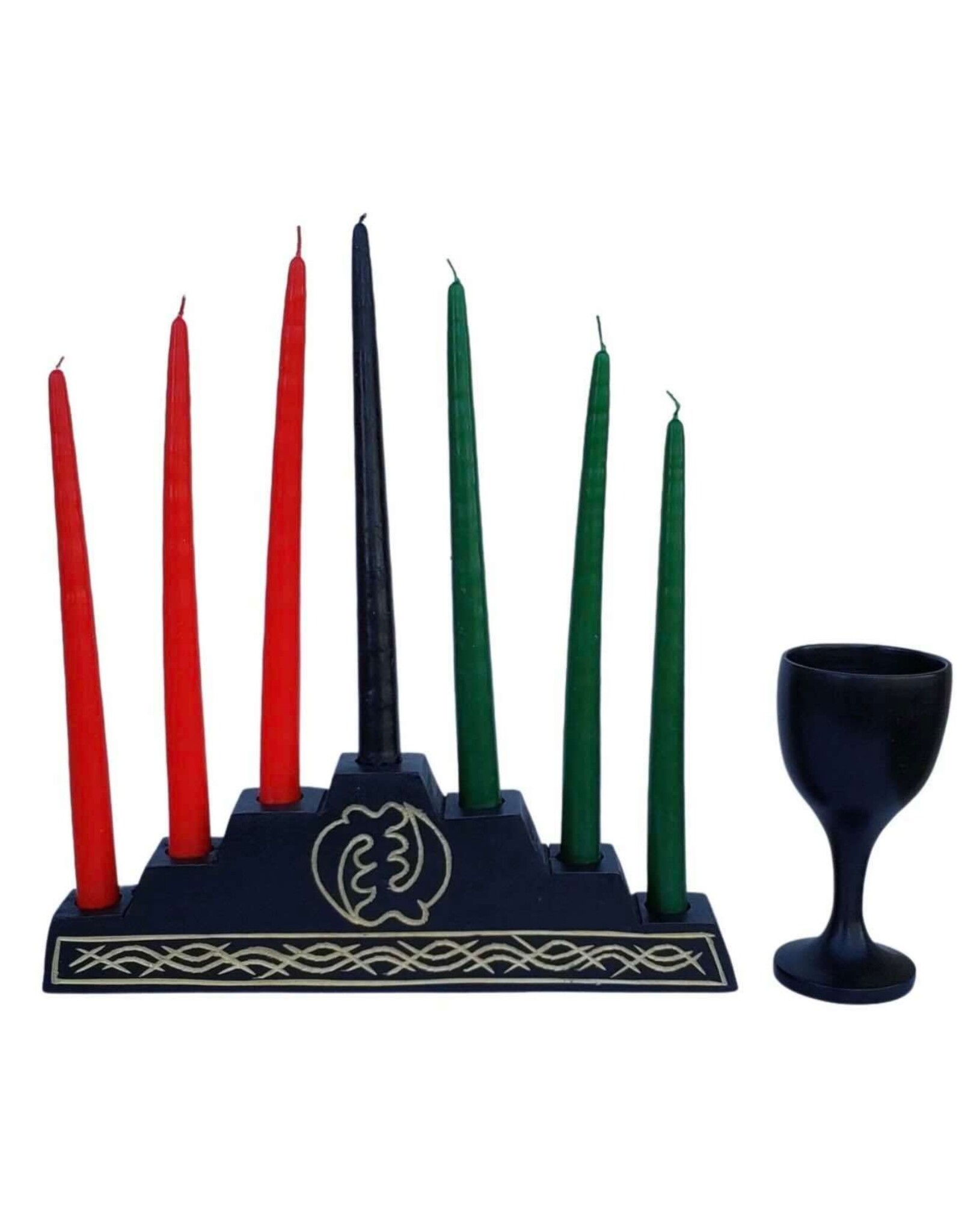
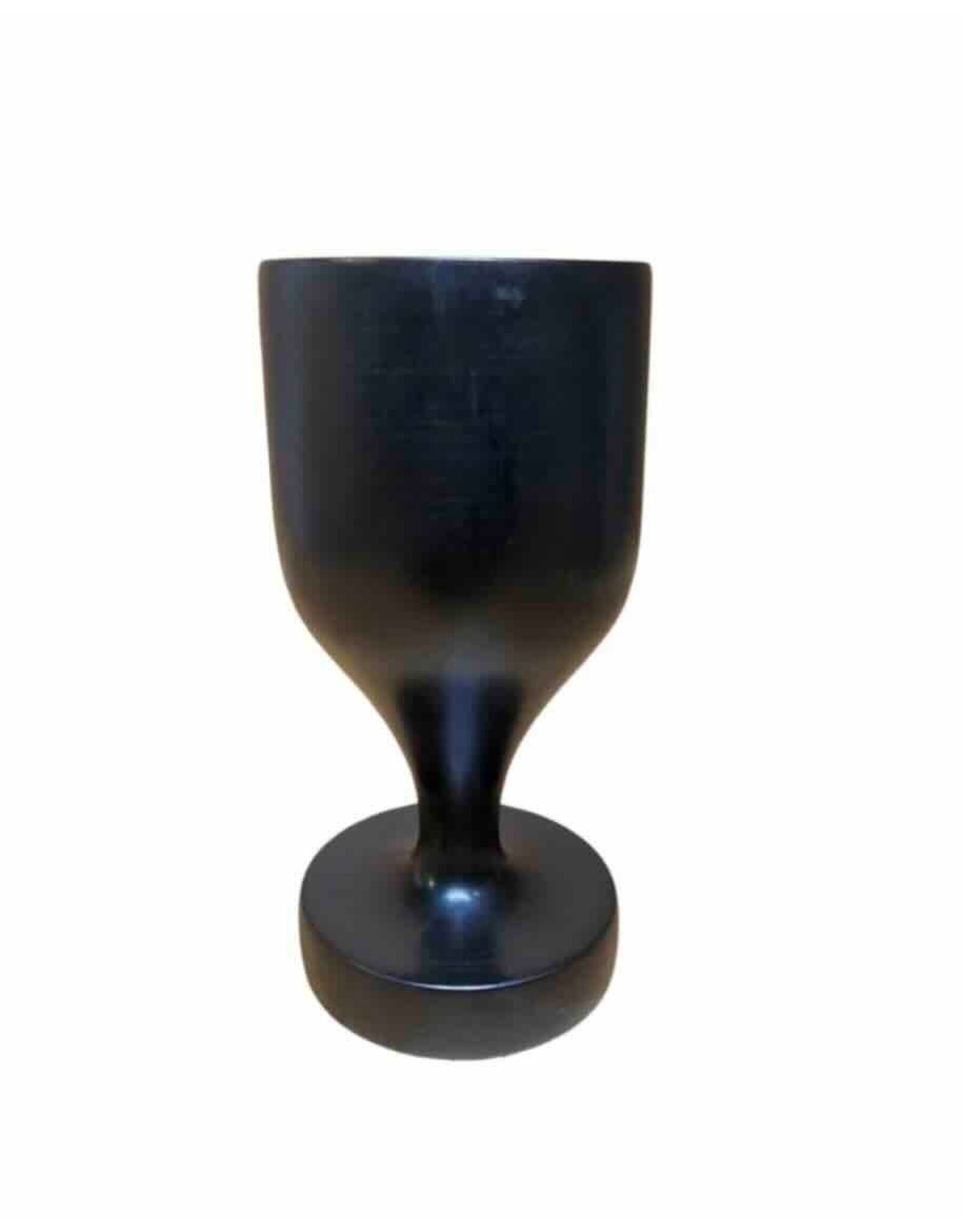
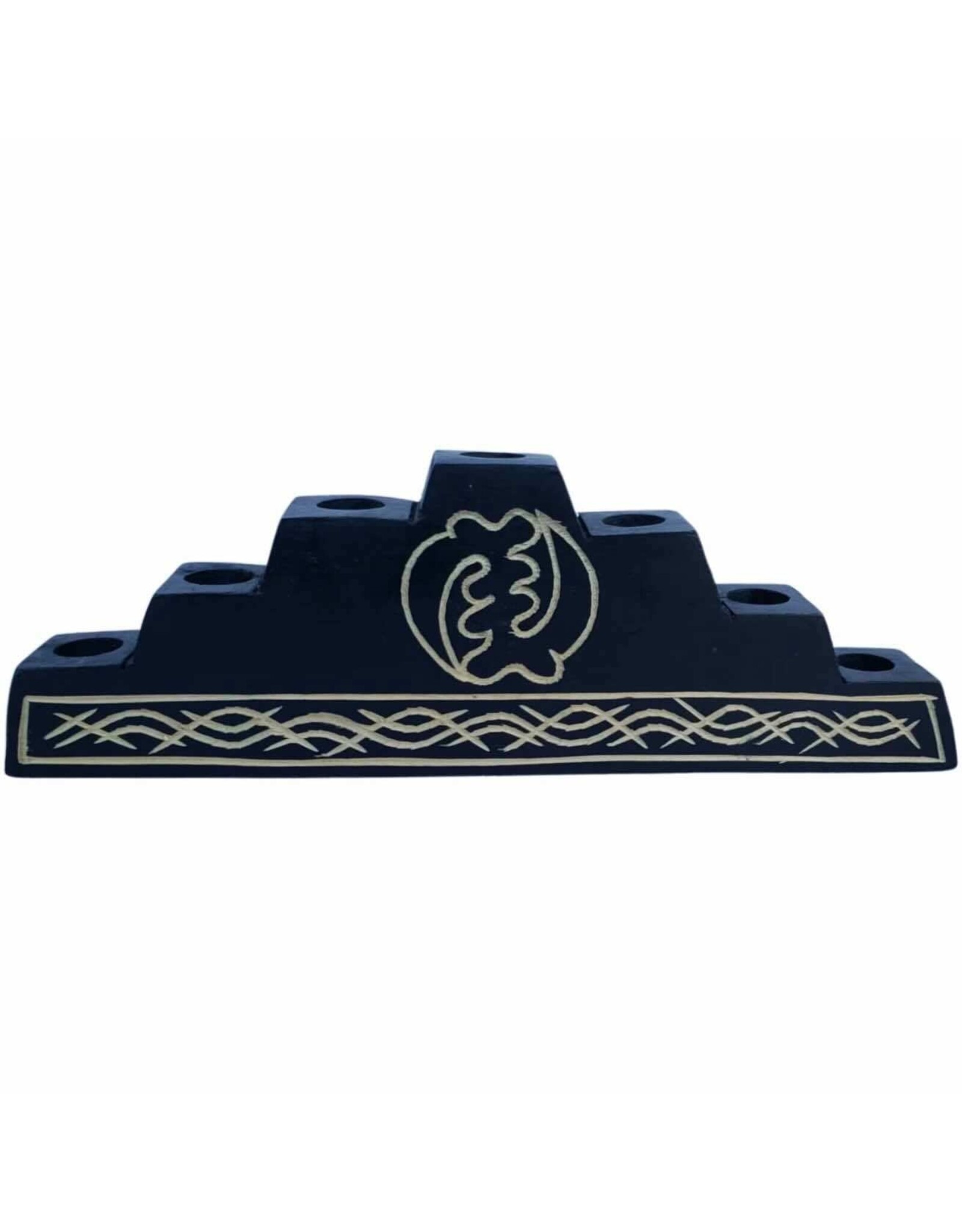
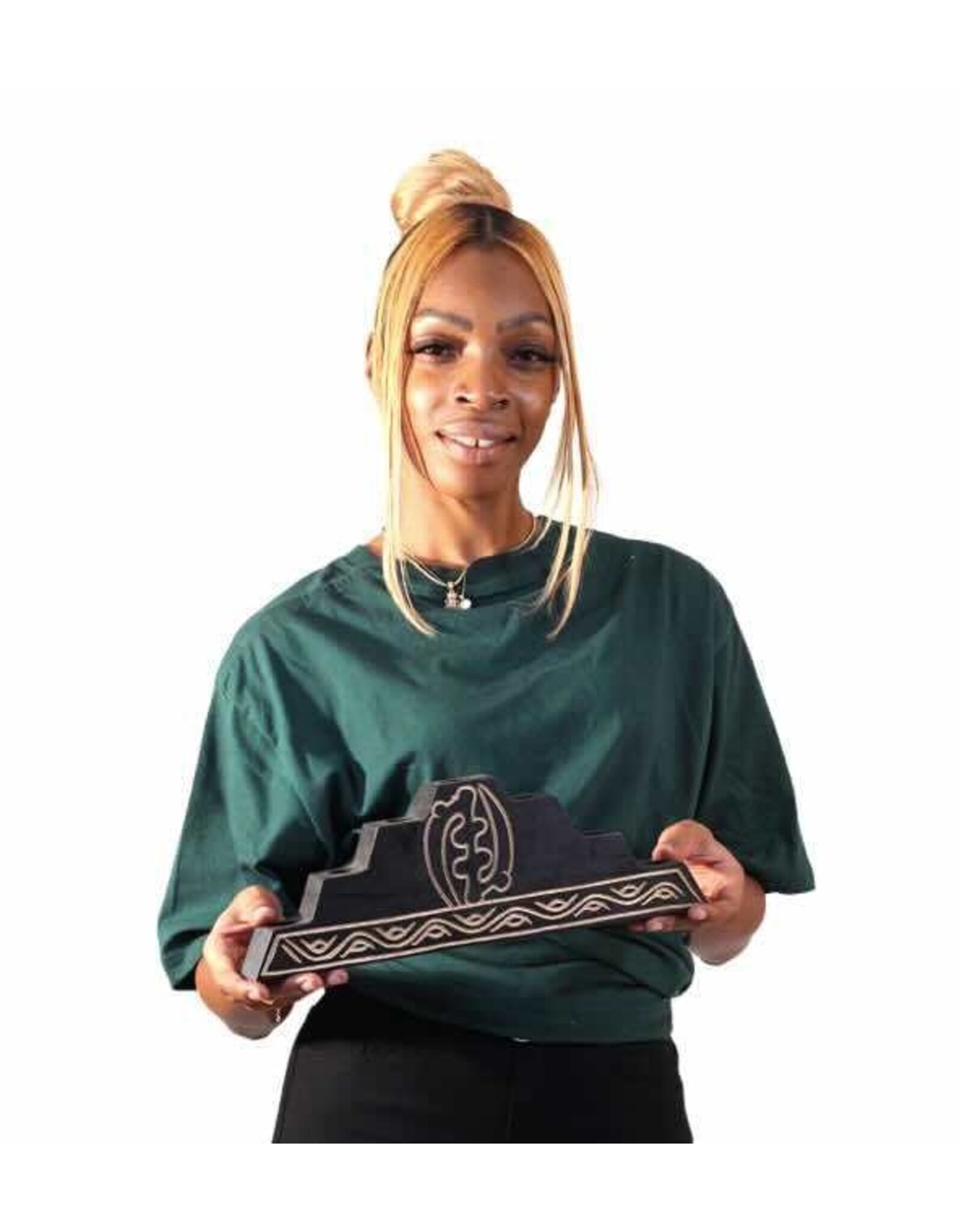
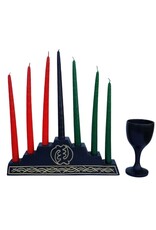
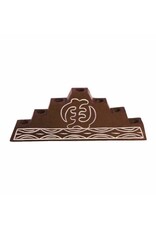
The perfect way to start is with a quality Kwanzaa Kinara set. This set was hand-carved out of sese wood in Ghana by local artisans and imported into the United States.
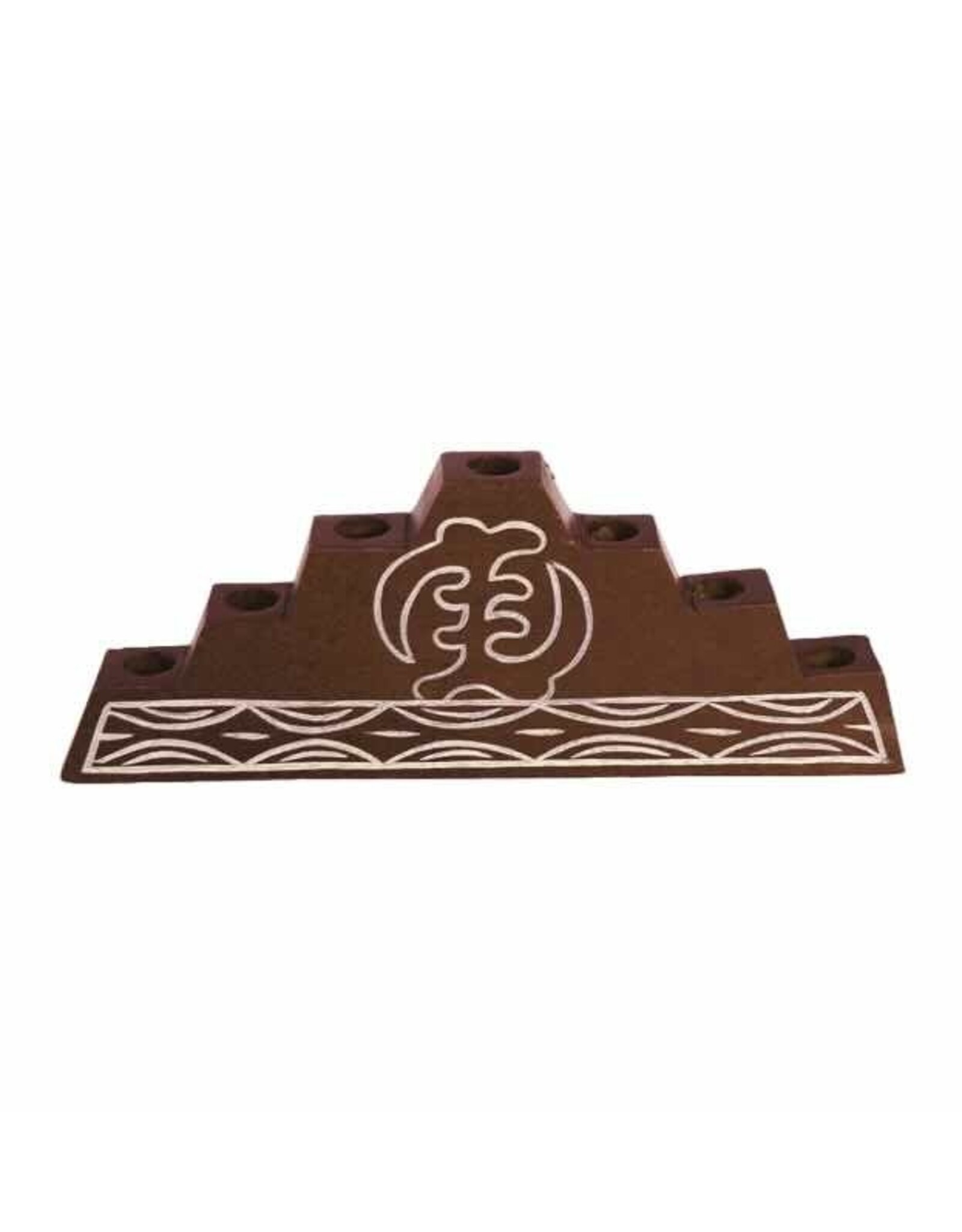
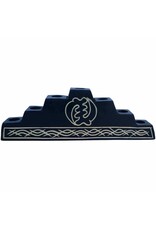
This dark brown Kinara features an Adinkra symbol from West African culture, specifically from the Akan people of Ghana. This symbol is Gye Nyame. it translates to "except for God" and embodies the omnipotence and supremacy of God in all things. This symbol is a testament to the Akan people's deep faith and acknowledgment of a higher power that governs the universe. It serves as a reminder that humans are not the ultimate beings and that our abilities and knowledge are limited compared to the infinite wisdom and power of God. The Gye Nyame symbol is often found in various forms of art, architecture, and personal adornments, reflecting its profound significance in Akan spirituality and philosophy.
Made out of Sese wood. Sese wood is native to many parts of Africa and is highly sought after by artisans and carvers due to its unique attributes. This type of wood is known for its robustness, durability, and ease of carving, making it an ideal material for intricate designs and detailed works of art. Its smooth grain allows for precise cuts and shapes, contributing to the creation of beautiful and intricate patterns that are often seen in African carvings. In addition, this wood has a rich, dark tone that enhances the aesthetic appeal of the finished products, giving them a distinct and appealing look.
DETAILS:
SEVEN PRINCIPLES OF KWANZAA
1. Umoja (Unity): On the first day of Kwanzaa, members of the African-American community focus on the principle of Umoja. This principle emphasizes the importance of unity in all areas, including family, community, nation, and race.
2. Kujichagulia (Self-Determination): The second principle of Kwanzaa is, or “self-determination.” Its focus is building your identity as a person and a community, both historically and in the present day, by asking the question, “Who am I?” Kujichagulia also encourages the question, “Am I all that I ought to be?”
3. Ujima (Collective Work and Responsibility): Ujima focuses on the collective responsibility for both achievements and setbacks in the community. This principle reminds celebrants that building each other up is the best way to truly solve problems.
4. Ujamaa (Cooperative Economics): Ujamaa is the principle of cooperative economics. This goes beyond the mass spending associated with the holiday season. Ujamaa focuses on a concerted effort to pool resources (financial and otherwise) together to benefit Black communities and neighborhoods and essentially build a more communal sense of “profit.”
5. Nia (Purpose): Nia, which means “purpose,” is the fifth principle of Kwanzaa. Nia can refer to being proactive in setting your own personal goals, but it also encourages you to think outward and look at goals that can benefit the larger community. It can mean purpose for your own future, the financial purpose of your family, or the collective purpose of your economic community.
6. Kuumba (Creativity): Kuumba is the principle of creativity. This can, of course, refer to individual creativity, but the focus is on improving and bringing beauty to your community through that creativity, whether it's art, dance, music, or literature.
7. Imani (Faith): On January 1st, the final day of Kwanzaa, celebrants light the last green candle for the principle of Imani. Imani translates to “faith.” Remember that Kwanzaa is a non-religious celebration, but faith here refers to the family and community traditions as a spiritual center. It is a belief in community leaders, teachers, and loved ones, past and present.